Summer-Safe Aesthetic Treatments: What You Can Still Do During the Sunny Months

One of the biggest misconceptions in aesthetic medicine is that you have to stop all skin treatments during the summer. While certain aggressive procedures may need to be postponed or modified during periods of increased sun exposure, many treatments can still be performed safely with proper patient selection, treatment planning, and diligent sun protection.
At Aesthetically Yours in High Point, one of the most common questions we hear this time of year is:
“What treatments are safe to do during the summer?”

The answer depends on several factors, including:
your skin type
your level of sun exposure
whether you tan easily
your skincare routine
the type and intensity of the treatment
In this guide, we will break down which treatments are generally considered summer-safe, which treatments require more caution, and how to protect your skin while still working toward your long-term skin goals.
Why Summer Changes Treatment Planning
During the summer months, ultraviolet (UV) exposure increases significantly. Excessive UV exposure can: increase inflammation, delay healing, worsen hyperpigmentation, increase the risk of post-inflammatory pigmentation and compromise skin barrier recovery after procedures.
This is especially important after treatments that intentionally create controlled injury to stimulate collagen production and skin renewal, like laser treatments for example (Alster & Tanzi, 2007).
That does not mean all treatments need to stop. It simply means treatment selection and aftercare become even more important.
What Makes a Treatment “Summer Safe”?
A summer-safe treatment is generally one that:
creates minimal epidermal disruption
has little to no downtime
carries lower risk of post-inflammatory hyperpigmentation
can be safely managed with strict SPF use and sun avoidance
Patients who spend prolonged time outdoors, vacation frequently, swim often, or are unable to consistently wear sunscreen may still need modified treatment plans.
At Aesthetically Yours, we customize recommendations based on lifestyle, skin type, and seasonal sun exposure.
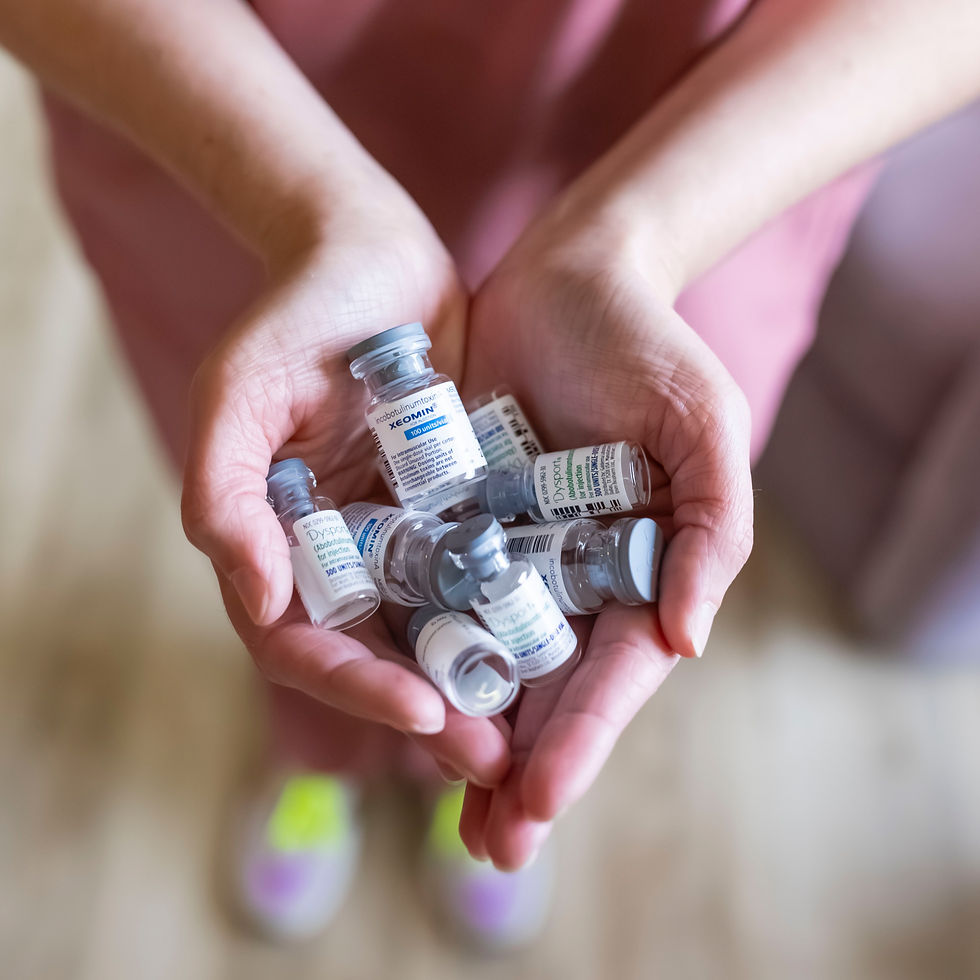
Neurotoxins: One of the Best Summer Treatments
Neurotoxins such as Botox, Dysport, and Xeomin are excellent year-round treatments because they do not significantly disrupt the skin barrier.
These wrinkle relaxers work by temporarily reducing muscle activity responsible for dynamic wrinkles and are not affected by sun exposure in the same way resurfacing lasers or deeper peels may be (Witmanowski & Błochowiak, 2020).
Benefits of neurotoxin treatments during summer include:
softening forehead lines and crow’s feet
preventing deeper wrinkles
no major downtime
minimal restrictions after treatment
natural-looking maintenance throughout vacation season
For many patients summer is actually an ideal time to maintain neurotoxin treatments.
Dermal Fillers Can Also Be Safely Performed in Summer
Dermal fillers are another treatment category that can typically be performed safely year-round when administered appropriately.
Hyaluronic acid fillers do not increase photosensitivity and generally have minimal downtime aside from temporary swelling or bruising (Sundaram et al., 2010).
Common summer filler treatments include:
lip filler
cheek balancing
chin enhancement
jawline contouring
Patients should still avoid:
excessive heat exposure immediately after treatment
prolonged sun exposure during active swelling
intense exercise for the first 24 hours

Hydrating Facials and Barrier Repair Treatments
Summer weather, heat, chlorine, salt water, and increased sweating can leave the skin dehydrated and inflamed.
This is one reason treatments like our SaltFacial, Hydrating facials, LED therapy, Dermaplaning and Gentle enzyme treatments often become especially popular during summer months.
Rather than aggressive resurfacing, these treatments focus more on:
hydration
exfoliation
barrier support
circulation
skin maintenance
LED light therapy in particular has been shown to support wound healing and reduce inflammation with minimal downtime or photosensitivity concerns (Avci et al., 2013).
Microneedling During Summer: Is It Safe?
Microneedling can often still be performed during summer, but patient selection matters significantly.
Microneedling creates controlled microinjury to stimulate collagen production and improve:
acne scars
fine lines
skin texture
enlarged pores
Because microneedling creates temporary inflammation, patients must be extremely diligent about:
SPF use
avoiding direct sun exposure
avoiding heat and sweating immediately after treatment
Patients who are frequently boating, tanning, attending beach vacations, or spending prolonged periods outdoors may be better candidates for lighter maintenance treatments during peak summer months.
At Aesthetically Yours, treatment depth and intensity are often adjusted seasonally based on patient lifestyle and UV exposure risk.
Which Treatments Usually Require More Summer Caution?
Some treatments carry a higher risk of complications during periods of significant UV exposure, particularly in patients prone to hyperpigmentation.
These may include:
aggressive chemical peels
fully ablative laser resurfacing
deep resurfacing procedures
certain pigment-targeting lasers
aggressive RF treatments in recently tanned skin
This does not necessarily mean these treatments cannot be performed during summer. However, careful patient selection, pretreatment preparation, and strict aftercare become critically important.
Patients with recent tanning or excessive UV exposure are often advised to postpone aggressive resurfacing procedures due to increased risk of post-inflammatory hyperpigmentation, prolonged inflammation, and impaired healing following laser treatments (Dakhil et al., 2023; Kang et al., 2024).

Why SPF Matters More Than Ever
No aesthetic treatment will outperform poor sun protection.
Daily SPF use is one of the most important components of both:
preventing premature aging
protecting treatment results
UV radiation contributes significantly to:
collagen breakdown
pigmentation
fine lines
uneven texture
skin laxity
Consistent sunscreen use has been shown to reduce signs of photoaging and protect against UV-induced skin damage (Hughes et al., 2013).
At Aesthetically Yours, we strongly recommend:
broad-spectrum SPF 30+
reapplication every 2 hours outdoors
hats and protective clothing
avoiding peak UV hours when possible
Certain SPF formulations can also provide additional antioxidant and pigment protection benefits.
Summer Is Still a Great Time to Invest in Your Skin
Many patients assume they should wait until fall or winter to focus on their skin, but that is not always necessary.
Summer can actually be an excellent time to:
maintain neurotoxin treatments
improve hydration
support skin barrier health
maintain collagen stimulation
prevent worsening sun damage
stay consistent with preventative aging treatments
The key is choosing the right treatment plan for your lifestyle and skin goals.
Personalized Treatment Planning Matters
Safe aesthetic treatments are never one-size-fits-all.
Factors such as:
Fitzpatrick skin type
history of hyperpigmentation
recent sun exposure
medications
travel plans
outdoor activities
skincare regimen
all influence which treatments are appropriate during summer months.
At Aesthetically Yours, our goal is to help patients throughout High Point, Greensboro, and the Triad area safely maintain healthy, glowing skin year-round with individualized, evidence-based treatment plans.

801 N. Lindsay Street Suite #101 High Point, NC 27262
References
Alster, T. S., & Tanzi, E. L. (2007). Laser skin resurfacing: Ablative and nonablative approaches. Clinical Dermatology, 25(5), 487-492. https://doi.org/10.1016/j.clindermatol.2007.05.005
Avci, P., Gupta, A., Sadasivam, M., Vecchio, D., Pam, Z., Pam, N., Hamblin, M. R. (2013). Low-level laser (light) therapy (LLLT) in skin: Stimulating, healing, restoring. Seminars in Cutaneous Medicine and Surgery, 32(1), 41-52. https://doi.org/10.12788/j.sder.00011
Dakhil, A. B., et al. (2023). Post-inflammatory hyperpigmentation after carbon dioxide laser. Dermatology Reports, 15(3). https://pmc.ncbi.nlm.nih.gov/articles/PMC10777097/
Hughes, M. C. B., Williams, G. M., Baker, P., Green, A. C. (2013). Sunscreen and prevention of skin aging: A randomized trial. Annals of Internal Medicine, 158(11), 781-790. https://doi.org/10.7326/0003-4819-158-11-201306040-00002
Kang, D. H., et al. (2024). Postoperative risk assessment of post-inflammatory hyperpigmentation following laser procedures. Journal of Dermatological Treatment. https://doi.org/10.1080/09546634.2024.2398768
Sundaram, H., Voigts, B., Beer, K., Meland, M. (2010). Comparison of the rheological properties of viscosity and elasticity in two categories of soft tissue fillers: Calcium hydroxylapatite and hyaluronic acid. Dermatologic Surgery, 36(Suppl. 3), 1859-1865. https://doi.org/10.1111/j.1524-4725.2010.01714.x
Witmanowski, H., & Błochowiak, K. (2020). The whole truth about botulinum toxin: A review. Postępy Dermatologii i Alergologii, 37(6), 853-861. https://pmc.ncbi.nlm.nih.gov/articles/PMC7874868/


Comments